BLOG
Retaining Walls in Springfield & Nixa, MO: Control Erosion, Level Your Yard & Add Usable Space
Tyler Smith • August 26, 2026
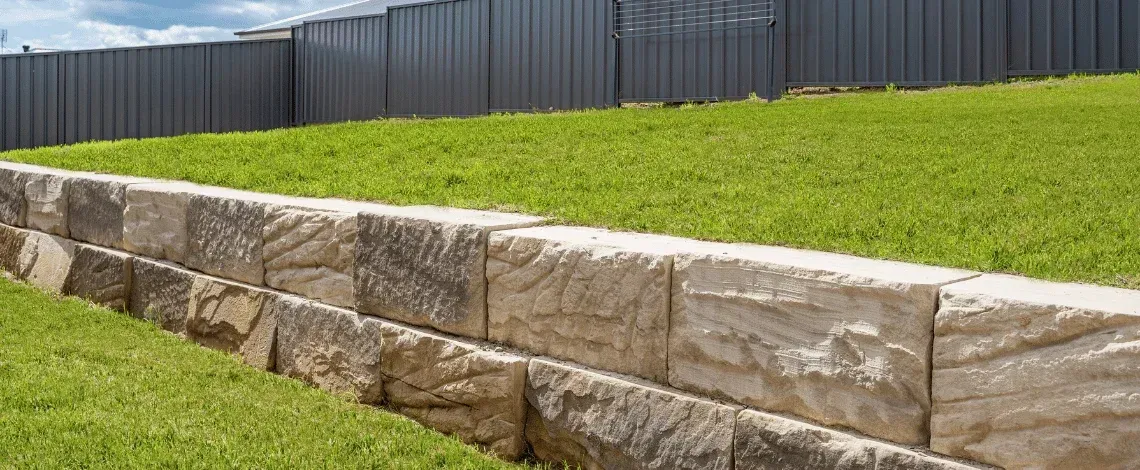
A sloped or uneven yard can create more than a landscaping issue. It can lead to erosion, drainage problems, soil shifting, and outdoor areas that are difficult to use. A properly planned retaining wall helps control elevation changes while making your property more stable and functional.
For homeowners in Springfield, Nixa, and surrounding Southwest Missouri communities, retaining walls can solve problems that basic lawn care or minor grading cannot fix. They can hold soil in place, improve drainage around a slope, and create flatter areas for landscaping or outdoor living. At
TyCo’s Hydroseeding & Excavation, we consider the grade, water flow, soil conditions, and your plans for the space before recommending a retaining wall solution.
When Does a Yard Need a Retaining Wall?
Not every sloped yard needs a retaining wall. However, a wall may be the right solution when the slope continues to wash out, limits usable space, or sends water toward areas where it should not collect. It can also help stabilize sections of the property that are difficult to mow, landscape, or safely access.
Your property may benefit from retaining wall installation if you notice:
- Soil washing downhill after heavy rain
- Mulch, gravel, or landscape material shifting out of place
- Bare spots or thinning grass on a slope
- Water collecting at the bottom of a hill
- A patio, walkway, or driveway edge beginning to settle
- An old retaining wall leaning, cracking, or bulging
- A steep yard that leaves little level space to enjoy
How Retaining Walls Help Control Erosion
Erosion occurs when rainwater carries loose soil downhill over time. In Springfield and Nixa, repeated storms can make an already sloped yard more difficult to manage and can cause damage to landscape beds, lawns, and hardscape features. Without a solution, the slope may continue to lose soil and become more uneven each season.
A retaining wall creates a stable barrier between different elevations. It holds the upper soil in place and reduces the amount of material moving downhill during heavy rain. When paired with
proper drainage and grading, the wall can help protect the slope and improve water movement across the property.
Create More Usable Space in a Sloped Yard
A retaining wall can make a challenging yard easier to use. By holding back soil and reshaping the grade, it can create level areas where there was once only a steep incline. This allows homeowners to make better use of the space without altering the property's natural layout.
A finished retaining wall may help create room for:
- A patio or outdoor seating area
- A flatter lawn for kids and pets
- Raised planting beds with cleaner borders
- A fire pit or gathering space
- A walkway through a sloped section of the yard
- A stable edge around a driveway or parking area
- A terraced landscape with separate usable levels
What Makes a Retaining Wall Last?
A retaining wall needs more than attractive blocks, stone, or boulders. Much of its long-term performance depends on the preparation beneath and behind the visible wall. A wall that is not properly supported can shift, lean, crack, or fail as soil and water pressure increase.
A professional retaining wall installation may include:
- Excavation to create a stable foundation area
- A compacted aggregate base beneath the wall
- Proper wall alignment and leveling
- Drainage stone behind the structure
- Drainage pipe where runoff needs to be redirected
- Filter fabric to separate soil from drainage materials
- Compacted backfill to reduce soil movement
- Final grading around the wall area
Drainage is included because water can build pressure behind the wall and affect its stability over time. The right setup depends on the slope, soil conditions, and how runoff moves through the property. Addressing those details during installation helps protect the wall from leaning, cracking, or shifting later.
Retaining Wall Materials for Southwest Missouri Properties
The best retaining wall material depends on the wall's height, the amount of soil it needs to hold back, your property's style, and your budget. Some materials are better for decorative borders and planting beds, while others are more appropriate for structural elevation changes. A retaining wall contractor can help determine which option makes sense for the site.
| Material | Best For | Key Consideration |
|---|---|---|
| Segmental Wall Block | Patios, terraces, raised beds, and moderate slopes | Needs proper base preparation and drainage |
| Natural Stone | Rustic or traditional landscape designs | Material and installation style can vary |
| Boulders | Larger slopes and natural-looking landscapes | Requires equipment and careful placement |
| Timber | Small, low-height landscape walls | Moisture and long-term durability matter |
Segmental Retaining Wall Blocks
Segmental wall blocks are a common choice for residential retaining walls because they offer a clean and finished appearance. They are available in a range of colors, textures, and sizes, making them easier to coordinate with patios, walkways, or planting beds. With proper base work and drainage, they can work well for moderate grade changes and terraced landscaping.
Natural Stone and Boulder Walls
Natural stone and boulder walls can create a more rugged look that complements larger properties or natural landscape designs. They are often used to stabilize slopes while blending into planting areas, trees, and other outdoor features. Because placement and weight affect the final structure, these walls need appropriate excavation and site preparation.
What Affects Retaining Wall Cost in Missouri?
Retaining wall cost in Missouri can vary widely based on the scope of the project. A short decorative wall around a planting bed will require less labor and material than a taller wall built to support a steep slope or create a large level area. The most accurate estimate comes from evaluating the site and identifying what the wall needs below the surface.
| Cost Factor | Why It Matters |
|---|---|
| Wall Height and Length | Larger walls need more materials, labor, and structural preparation |
| Material Selection | Block, stone, boulders, and timber vary in cost and installation needs |
| Excavation and Grading | Sloped or uneven yards may need additional site preparation |
| Drainage Requirements | Drainage materials help protect the wall from water pressure |
| Site Access | Tight access can affect equipment use, labor time, and material delivery |
| Added Features | Steps, patios, lighting, or planting beds can increase project scope |
A site assessment can reveal whether the project also needs grading, drainage improvements, or removal of an existing wall. It also helps determine the appropriate wall height, material, and layout for your property. This gives you a clearer idea of the full investment before construction begins.
Why Work With a Retaining Wall Contractor in Springfield, MO?
A retaining wall is more than a decorative hardscaping feature. It needs to work with the slope, soil conditions, drainage patterns, and surrounding layout of your property. Professional installation helps reduce the risk of settlement, water pressure issues, and repairs later.
TyCo’s Hydroseeding & Excavation provides
retaining wall installation in Springfield, Nixa, and surrounding Southwest Missouri communities. We can also coordinate excavation, grading, drainage,
hydroseeding, and hardscaping services when the project requires a more complete approach. This helps create a finished result that improves your yard's appearance while addressing the conditions causing the problem.
Build a More Stable and Usable Yard With TyCo’s Hydroseeding & Excavation
A retaining wall can help control erosion, improve drainage, and create level outdoor space where your yard once felt limited. The best results come from designing the wall to match the property's actual conditions rather than choosing a solution based on appearance alone. With proper planning, drainage, and installation, a retaining wall can become a long-lasting part of your landscape.
TyCo’s Hydroseeding & Excavation can help you plan retaining wall installation, excavation, grading, and drainage work in Springfield, Nixa, and nearby Southwest Missouri areas. Our team can evaluate your slope, identify the source of the issue, and recommend a solution that fits your property goals. Contact us today to discuss your retaining wall project.
Recent Posts
By Tyler Smith
•
September 23, 2026
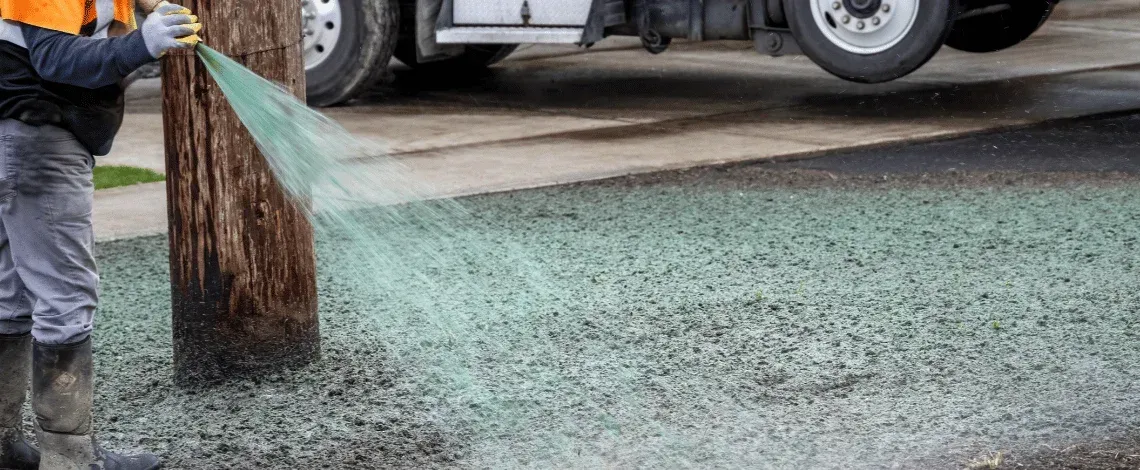
Learn what hydroseeding is, how hydroseeding works, and why it is a practical option for new lawns in Southwest Missouri. Request a quote today.
By Tyler Smith
•
September 16, 2026
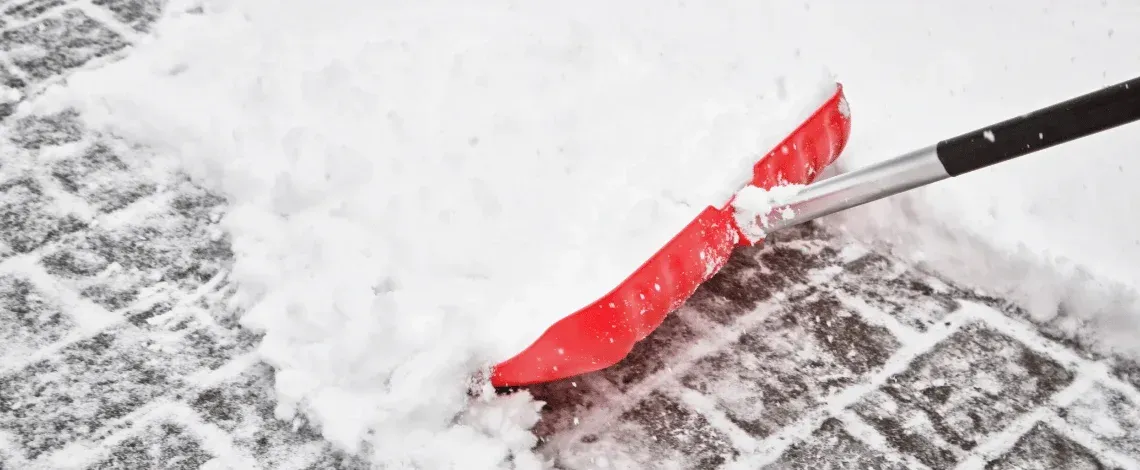
Learn how residential snow plowing, de-icing, and ice melt can help keep your Southwest Missouri home accessible this winter. Contact us today.
Related Posts
No related posts found.
We deliver hydroseeding, excavation, and site prep services across Missouri. Our focus stays on reliable work and practical solutions that support long term results.
Explore
Our Services
Service Areas
Contact
- (417) 619-0032
- tycoofficemang@yahoo.com
- Mon – Sat: 08:00 AM – 05:00 PM
Sunday: Closed - 872 Mount Carmel rd Clever, MO 65631
© 2026
All Rights Reserved | TyCo's Hydroseeding & Excavation | Sitemap| Privacy Policy| Terms of Service