
BLOG
What Is Hydroseeding & How Does It Work? A Beginner’s Guide for Missouri Homeowners
Tyler Smith • September 23, 2026
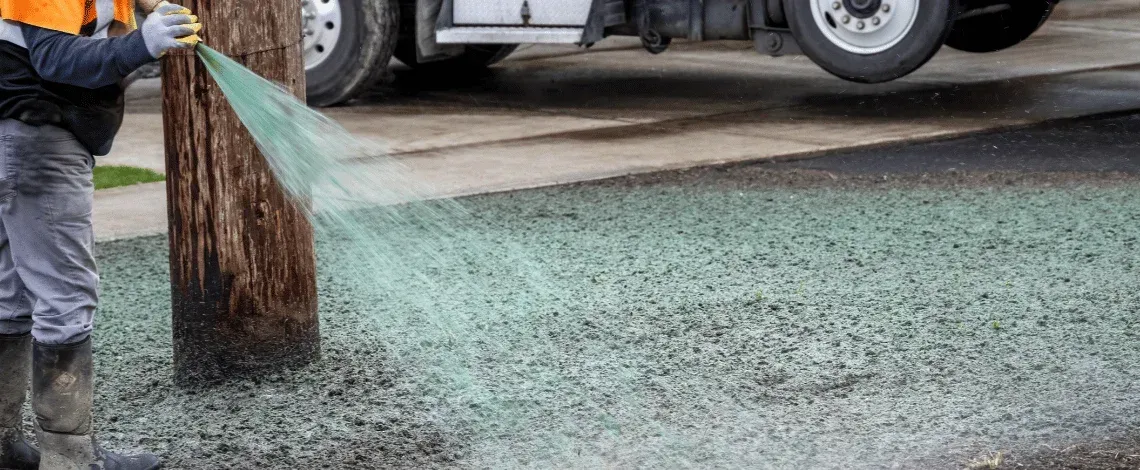
A new lawn can completely change the appearance and usability of your property, but getting grass established takes more than spreading seed and hoping for the best. For homeowners wondering what hydroseeding is, it is a planting method that combines grass seed, mulch, fertilizer, and water into a protective slurry. Hydroseeding for new lawns in Southwest Missouri can provide even coverage across large open areas, newly graded yards, slopes, and bare soil after construction.
What Is Hydroseeding?
Hydroseeding is a lawn-establishment method that sprays a blended mixture of seed, wood fiber mulch, fertilizer, tackifier, and water onto prepared soil. The mulch layer helps hold the seed in place and retain moisture during the early stages of germination. Instead of placing sod across the yard or broadcasting dry seed by hand, the material is applied evenly through specialized equipment.
For many homeowners, hydroseeding provides a practical middle ground between traditional seeding and sod installation. It creates consistent coverage across the property without the labor and material cost of installing individual sod rolls. The final results still depend on soil preparation, seed selection, watering, weather, and early lawn care.
How Does Hydroseeding Work?
The hydroseeding process begins before the spray is applied because the soil must be properly prepared for grass growth. Rocks, construction debris, weeds, compacted soil, uneven grades, and drainage issues can all affect how well a new lawn establishes. This is why hydroseeding works best when the ground has been graded, smoothed, and prepared to support healthy root development.
Once the site is ready, the hydroseed mixture is blended inside a specialized tank and sprayed across the soil surface. The application creates a visible
mulch blanket that helps protect the seed from wind, washout, and rapid moisture loss. As the lawn begins to grow, the mulch breaks down and becomes part of the soil surface.
What Is Included in the Hydroseeding Mixture?
Each hydroseeding mixture can be adjusted based on the property, soil conditions, sun exposure, and the homeowner’s goals. A lawn in a full-sun new-construction yard may need a different seed blend than a shaded area, an erosion-prone slope, or a property with mixed soil conditions. Professional hydroseeding helps ensure the materials are selected and applied with the site in mind.
A typical hydroseeding mixture may include:
- Grass seed selected for the local climate, sunlight, and intended use of the lawn
- Wood fiber mulch that helps protect seed and hold moisture against the soil
- Starter fertilizer that supports early root development and new growth
- Tackifier that helps the mulch stay in place on slopes or uneven areas
- Water that carries the mixture through the equipment and begins the moisture process
Why Soil Preparation Matters Before Hydroseeding
A hydroseed application can only perform as well as the ground beneath it. Soil that is compacted, uneven, poorly drained, or filled with leftover construction material can limit root growth and create patchy results. Proper grading and site preparation provide the seed with a more stable surface on which it can germinate and grow evenly.
This is especially important for new lawns after excavation, home construction, drainage work, or land clearing. These projects often leave behind disturbed soil, low spots, slopes, and rough grades that need attention before grass is installed. TyCo’s Hydroseeding & Excavation can help homeowners prepare the property through excavation, grading, and drainage solutions before moving into the lawn-establishment phase.
When Is Hydroseeding a Good Option for Missouri Lawns?
Hydroseeding is a strong option for homeowners who need grass coverage across a large or newly prepared area. It can work well for front yards, backyards, new-construction lots, acreage sections, slopes, and bare areas left after landscaping or excavation. The process can also be useful where traditional dry seeding is more likely to be washed away or become uneven.
Hydroseeding may be a good fit when you need:
- A new lawn after building or major grading work
- Grass coverage on a sloped or erosion-prone area
- A more even alternative to spreading dry seed by hand
- Lawn establishment across a larger property
- Repair for bare soil after drainage, excavation, or land-clearing work
How Long Does Hydroseeding Take to Grow?
Homeowners often ask how quickly a hydroseeded lawn will become green and usable. Germination timing depends on the seed blend, soil temperature, weather, watering consistency, and condition of the prepared soil. Some grass may begin appearing within the first couple of weeks, while a fuller lawn develops gradually as roots establish and the grass matures.
The most important part of the early process is keeping the seeded area consistently moist without overwatering it. New grass needs regular attention during the first few weeks, particularly during warm, dry, or windy Missouri weather. Your lawn may look thin at first, but proper watering and care help the coverage fill in over time.
How to Care for a Newly Hydroseeded Lawn
A new hydroseeded lawn needs protection during its first stage of growth. Foot traffic, pets, mowing too early, inconsistent watering, and erosion from heavy runoff can all interfere with establishment. Following the care instructions provided for your specific project gives the grass the best chance to develop a healthy root system.
For the best early results:
- Water lightly and consistently to keep the soil surface moist
- Avoid walking, parking equipment, or allowing pets on the new lawn
- Keep an eye on low areas where water may collect or wash across the seed
- Wait to mow until the grass has reached the recommended height
- Use care around slopes, bare edges, and areas affected by drainage runoff
Hydroseeding Explained for Springfield, MO Homeowners
For homeowners researching hydroseeding explained Springfield MO, the biggest takeaway is that the process is not simply spraying grass seed over dirt. It combines proper site preparation with an evenly applied seed-and-mulch mixture designed to support lawn establishment. When grading, soil conditions, drainage, seed selection, and aftercare are handled correctly, hydroseeding can provide a practical foundation for a healthy new lawn.
TyCo’s Hydroseeding & Excavation provides hydroseeding for new lawns across Springfield and Southwest Missouri, along with the excavation, grading, and drainage work that often needs to happen first. Whether you are finishing a new construction project, repairing a disturbed yard, or preparing a large open area for grass, we can help create a stronger foundation for long-term growth.
Contact us today to request a quote for your hydroseeding project.
Recent Posts

By Tyler Smith
•
September 16, 2026
Learn how residential snow plowing, de-icing, and ice melt can help keep your Southwest Missouri home accessible this winter. Contact us today.
By Tyler Smith
•
September 9, 2026
Explore hardscaping ideas for Missouri backyards, from patios and walkways to retaining walls and fire features. Contact TyCo’s for a free quote.
Related Posts
No related posts found.
We deliver hydroseeding, excavation, and site prep services across Missouri. Our focus stays on reliable work and practical solutions that support long term results.
Explore
Our Services
Service Areas
Contact
- (417) 619-0032
- tycoofficemang@yahoo.com
- Mon – Sat: 08:00 AM – 05:00 PM
Sunday: Closed - 872 Mount Carmel rd Clever, MO 65631
© 2026
All Rights Reserved | TyCo's Hydroseeding & Excavation | Sitemap| Privacy Policy| Terms of Service