
BLOG

How to Grow Grass on a Slope in Missouri: The Best Methods for Steep & Hilly Yards
Tyler Smith • August 12, 2026
Growing grass on a hillside is more difficult than seeding a flat lawn because water, soil, and seed all move downhill. Homeowners learning how to grow grass on a slope in Missouri need to consider the slope's condition, not just the type of grass seed they use. Proper preparation, erosion control, and the right installation method all help new grass establish on steep and hilly yards.
Start by Looking at the Slope Itself
Before choosing a seed or scheduling hydroseeding, assess how the slope handles water. If rain creates ruts, carries soil downhill, or leaves bare streaks after every storm, the issue may be erosion or drainage rather than a lack of grass seed. Seeding over an active runoff problem often leads to the same failure again.
A small, gradual slope may only need soil preparation and a suitable seeding method. A steeper hillside, construction-grade slope, or area near a driveway, retaining wall, or foundation may need grading or drainage work first. Addressing those conditions gives the new lawn a better chance to stay in place.
Signs Your Slope Needs More Than Basic Seeding
- Rainwater creates channels or ruts across the hillside.
- Soil collects at the bottom of the slope after storms.
- Grass repeatedly thins out in the same areas.
- Water runs toward the home, driveway, or hardscape.
- Previous seed washed away before it could establish.
Prepare the Soil Before You Plant
Good hillside lawn seeding in Springfield, MO starts with a stable seedbed. Grass seed needs direct contact with loose, healthy soil to germinate and begin developing roots. When the ground is compacted, uneven, or full of debris, new grass has a much harder time getting established.
The slope should be cleared and shaped before any seed is applied. Small ruts should be repaired so rainwater does not continue following the same downhill path. Thin or poor soil may also need topsoil or soil amendments to support stronger grass growth.
Basic Slope Preparation
- Remove weeds, debris, loose rocks, and damaged vegetation.
- Loosen compacted soil to improve root growth.
- Fill shallow ruts and smooth uneven sections.
- Add topsoil where the existing soil is thin or poor.
- Grade the area to improve water flow.
Choose the Right Grass Seed for Slopes in Southwest Missouri
The right grass seed for slopes in southwest Missouri depends on sun exposure, soil conditions, and the amount of foot traffic the area receives. Cool-season grass varieties are often a practical choice for Missouri lawns because they establish well during the more moderate seasons. A quality grass blend can also provide more consistent coverage across areas with changing sunlight and moisture levels.
Tall fescue is commonly used on sloped lawns because of its deeper root system. Once established, those roots can help stabilize soil while supporting a fuller lawn. Seed selection should always match the property's conditions rather than rely on a one-size-fits-all mix.
Decide Which Installation Method Fits the Slope
Not every hillside needs the same planting method. Smaller or gentle slopes may be suitable for conventional seeding with mulch or erosion-control blankets. Larger, uneven, or steeper hills often benefit from hydroseeding because the seed, mulch, fertilizer, and water are applied together.
The goal is not simply to get grass on the hill. The seed needs enough protection and moisture to establish before runoff can wash it away. Choosing the right installation method early can help reduce wasted seed and repeated repair work.
Conventional Seeding
Conventional seeding can work well for smaller slopes with stable soil and limited runoff. Seed is spread over prepared soil, then covered with mulch or a stabilizing material to help protect it. This method is usually best when the area can be watered consistently and does not have serious erosion issues.
Hydroseeding for Steep Slopes.
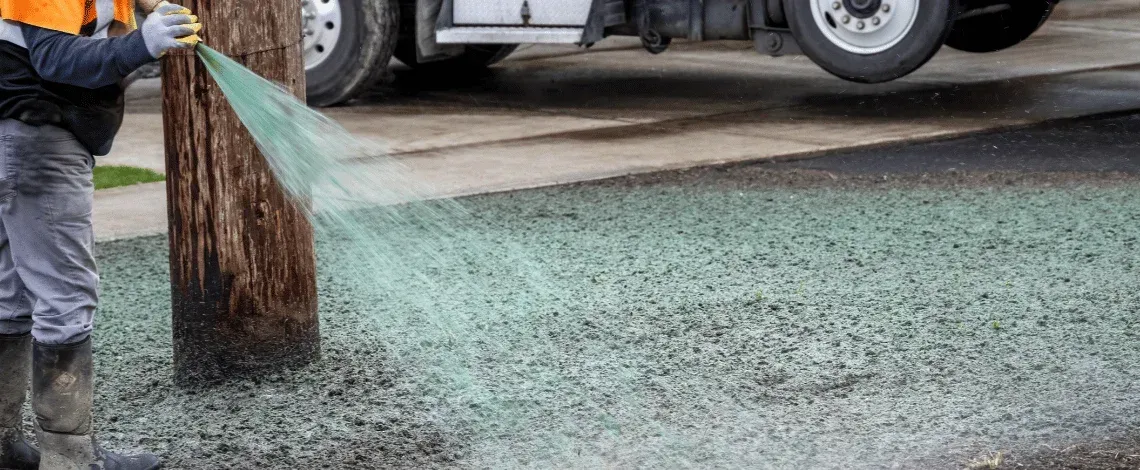
Hydroseeding steep slopes in Missouri is often a more effective option for large or difficult hillsides. The process applies a slurry of seed, fertilizer, mulch, and water directly to the soil, helping provide more even coverage across uneven terrain. The mulch layer helps retain moisture while protecting seed from wind and rain.
Hydroseeding is especially useful for new construction sites, freshly graded yards, exposed hillsides, and large areas where dry seed may not stay in place. It can also be paired with erosion-control work when the slope needs more support during establishment. For many Ozarks properties, this approach provides a more practical way to establish grass on a hillside.
When Sod May Make Sense
Sod provides immediate coverage, but it is not always the best choice for a steep slope. It can be more expensive, harder to install evenly, and still vulnerable to shifting if the soil beneath it is not prepared properly. For many Missouri hillsides, hydroseeding or protected seeding is the more practical long-term solution.
Add Erosion Control Before the Next Rainstorm
Erosion control should be part of the plan when a hillside is bare, steep, or already showing signs of runoff damage. Grass needs time to grow roots, and the soil needs protection during that early stage. Without support, heavy rain can carry away seed, mulch, and topsoil before the lawn has a chance to establish.
The right solution depends on the slope angle, soil conditions, area size, and water flow. Some properties may only need a blanket or matting, while others may require grading or drainage improvements. A professional evaluation can help identify which approach makes sense for the site.
Erosion-Control Options for Hilly Yards
Seed at the Right Time of Year
Early fall is usually the best time to establish grass on a hillside in Missouri. The soil is still warm enough for germination, while cooler air temperatures reduce stress on new grass. Fall seeding also gives roots time to develop before summer heat and stronger weed pressure arrive.
Spring can still work for repairs or projects that cannot wait until fall. However, spring-seeded grass may require closer monitoring because summer heat can arrive before the lawn is fully established. A hillside planted in spring should also be checked after heavy rain for signs of washout.
Water New Grass Without Washing It Away
New grass needs regular moisture, but steep slopes should not be watered heavily all at once. Long watering cycles can create runoff, especially when the soil is compacted or the slope is exposed. Shorter, lighter watering sessions are usually a better way to keep the seedbed moist without creating erosion.
Check the slope after both irrigation and rainstorms during the first few weeks. Seed collecting at the bottom of the hill, exposed soil, or new ruts are signs that the area may need more protection. Catching those issues early can prevent a small washout from becoming a larger repair project.
Avoid These Common Hillside Seeding Mistakes
Seeding before correcting drainage problems is one of the most common reasons hillside lawns fail. Other issues include planting in compacted soil, overwatering, skipping erosion-control materials, or mowing before the new grass has established strong roots. A successful project depends on protecting the seed long enough for the lawn to take hold.
Get Help With Grass, Grading, and Erosion Control in Southwest Missouri
A healthy hillside lawn requires the right combination of soil preparation, seed selection, water control, and erosion protection. When a slope is steep, repeatedly washes out, or is located near important parts of the property, it is worth addressing the issue in full rather than simply applying more seed. The right solution can help protect the land while creating more reliable grass coverage.
TyCo’s Hydroseeding & Excavation helps homeowners throughout Springfield, Nixa, Ozark, and surrounding southwest Missouri communities with hydroseeding, grading, drainage, and erosion-control solutions. We can assess the condition of your slope and recommend the approach that fits your property.
Contact us today to request a free quote.
Recent Posts
By Tyler Smith
•
September 23, 2026
Learn what hydroseeding is, how hydroseeding works, and why it is a practical option for new lawns in Southwest Missouri. Request a quote today.

By Tyler Smith
•
September 16, 2026
Learn how residential snow plowing, de-icing, and ice melt can help keep your Southwest Missouri home accessible this winter. Contact us today.
Related Posts
No related posts found.
We deliver hydroseeding, excavation, and site prep services across Missouri. Our focus stays on reliable work and practical solutions that support long term results.
Explore
Our Services
Service Areas
Contact
- (417) 619-0032
- tycoofficemang@yahoo.com
- Mon – Sat: 08:00 AM – 05:00 PM
Sunday: Closed - 872 Mount Carmel rd Clever, MO 65631
© 2026
All Rights Reserved | TyCo's Hydroseeding & Excavation | Sitemap| Privacy Policy| Terms of Service